
Article Durable T-Shirts for Active Men: 2026 Buying Guide
Durable T-Shirts for Active Men: 2026 Buying Guide
Table of Contents
- What Makes Durable T-Shirts for Active Men Different
- The Most Durable T-Shirt Material: Comparing Cotton, Polyester, and Blends
- Construction Quality: Stitching, Seams, and Collars That Hold Up
- Best Gym Shirts for Men: Matching Fabric to Training
- Men's Athletic-Fit T-Shirts: Fit Beyond Muscle Cuts
- Long-Lasting T-Shirt Brands and What to Check Before Buying
- Care Instructions That Extend Shirt Life
- Conclusion
- Frequently Asked Questions
Last Updated: October 18, 2026
What Makes Durable T-Shirts for Active Men Different
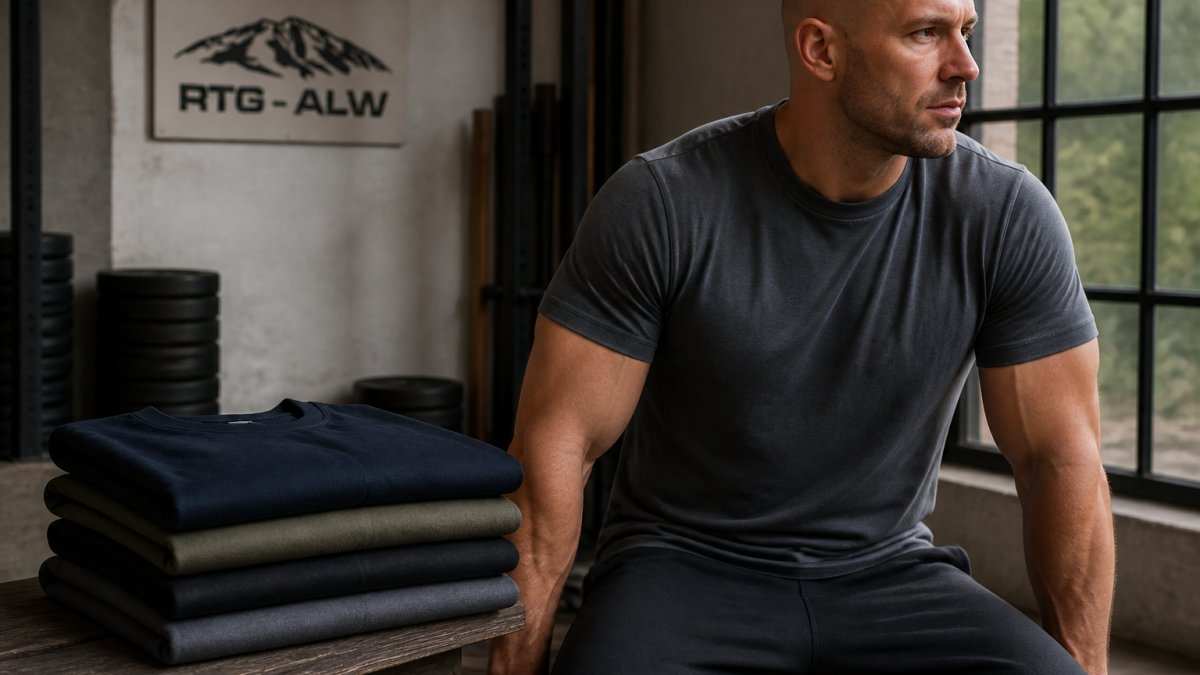
Durable t-shirts for an active man are ones that keep their shape, color, and seams through repeated washing and movement, not just the first ten wears. At RTG-ALW, we build tees for big and tall frames, so we think about durability differently: a shirt that fits poorly gets tugged, stretched, and washed more often, which wears it out faster. The difference between a tee that lasts a year and one that lasts a week usually comes down to three things: fabric weight, construction, and how the shirt fits your body. Get those right and you stop replacing shirts every season.
The Most Durable T-Shirt Material: Comparing Cotton, Polyester, and Blends
The most durable t-shirt material is usually a cotton-polyester or tri-blend knit heavy enough to resist thinning, but "most durable" depends on what you're asking the shirt to survive. Pure cotton feels best against skin and breathes well, yet it absorbs sweat, dries slowly, and abrades at the collar and underarms under heavy use. Polyester resists abrasion and dries fast but traps odor in its oleophilic fibers unless it's treated or washed promptly. Blends trade a little of each weakness for a lot more lifespan.
Fabric Weight and Why It Predicts Wear
Fabric weight, measured in grams per square meter (GSM), tells you how much material sits between you and the world. As a working rule, lightweight knits under roughly 150 GSM feel cool but thin out and pill fastest at friction points. Mid-weight knits around 150-200 GSM hold structure without trapping heat, which is why they dominate training tees. Heavyweight knits above roughly 200 GSM resist pilling and see-through thinning but run warmer and take longer to dry. For active use, a mid-weight knit is the sweet spot; go heavier only if abrasion, not heat, is your main enemy.
Cotton vs. Polyester: Which Lasts Longer
Polyester wins on abrasion resistance and quick drying. Cotton wins on softness and breathability. The honest answer is that a blend beats both for active wear, because it pairs cotton's hand-feel with polyester's strength and fast dry time. The trade-off is odor: polyester-rich fabrics need more deliberate washing, and cotton-rich fabrics need more drying time. Neither fiber is magic, weight and construction decide whether the shirt survives a hundred washes.
The Trade-Offs Competitors Skip
Most fabric comparisons stop at "blend is best." The useful version is a trade-off table you can apply before buying:
- Cotton: best softness and breathability; slowest dry, most prone to stretch-out and fade under sweat and heat.
- Polyester: best abrasion resistance and fastest dry; holds odor, can feel slick, and pills if the knit is light.
- Cotton-poly blend: balanced durability and dry time; performance depends heavily on the ratio and knit weight.
- Tri-blend with Lyocell or modal: soft, breathable, good stretch recovery; usually the most comfortable option for big and tall frames, but verify weight because light tri-blends thin out.
- Spandex (elastane): a small percentage adds stretch and recovery so the shirt doesn't sag after a workout; too much makes the fabric feel rubbery and reduces breathability.
- Recycled fibers: increasingly common in polyester and blends; durability is comparable when the knit weight and construction are the same, so judge the shirt, not the fiber origin story.
What to Look For on the Label
A label that lists fiber percentages and fabric weight is doing you a favor; one that hides behind "premium blend" language is not. Our Classic Long Tee uses Lyocell, cotton, and spandex, which keeps the fabric breathable while adding stretch and recovery so the shirt doesn't sag after a workout. Whatever the fiber, the rule holds: mid-weight knit, honest percentages, and enough spandex to recover, not so much that breathability suffers.

Construction Quality: Stitching, Seams, and Collars That Hold Up
Construction quality is what separates a tee that survives a hundred washes from one that unravels at the collar. Check the stitching first. Double-needle seams at the hem and shoulders resist pulling. A reinforced collar keeps its shape instead of stretching into a wavy mess. Side seams should sit straight, not twisted, because a twisted seam means the fabric was cut off-grain and will torque with every wash. This is the part most shoppers skip, and it's the fastest way to spot a shirt that won't last.
Best Gym Shirts for Men: Matching Fabric to Training
The best gym shirts for men match fabric and construction to the workout, because durability demands differ by activity. A tee that survives a year of lifting may fail in a season of trail running, and a featherweight running shirt will wear through fast under barbell knurling. Most buying guides treat "gym" as one job; it's really four, each with its own abrasion, stretch, sweat, and layering demands.
Lifting: Stretch, Recovery, and Abrasion
Lifting puts the most stress on seams and stretch recovery. A shirt needs enough spandex or elastane to let you reach overhead without the hem riding up, and enough body length to stay put through a full range of motion. Barbell knurling and dumbbell contact abrade the chest and shoulders, so a mid-weight knit with double-needle shoulder seams outlasts a thin, slick performance tee. Prioritize stretch fabric, a longer body, and reinforced seams over maximum breathability.
Running: Moisture-Wicking and Quick-Drying
Running rewards lightweight, moisture-wicking, quick-drying fabric that moves sweat away and dries before the next session. The durability risk here is different: repeated washing and sun exposure fade and thin light knits, and friction at the underarms and collar wears them fastest. Look for a knit heavy enough not to go see-through when wet, flatlock seams that don't chafe, and a collar with structure that survives repeated wash cycles.
Hiking and Outdoor Work: Abrasion and Layering
Hiking and outdoor work add abrasion from pack straps, branches, and rough surfaces, plus temperature swings that call for layering. A slightly heavier knit with a tighter gauge resists snags and pilling better than an ultralight running tee. If you layer a shell or pack over the shirt, prioritize smooth, low-friction outer surfaces and seams that won't rub under straps. Quick-dry still matters, but abrasion resistance moves up the list.
The Classic Long Tee : Black →
Cross-Training and Everyday Wear: The Compromise
Cross-training splits the difference, so a breathable blend with spandex recovery handles lifting and cardio without falling apart. The same shirt usually doubles as everyday wear, which means color retention and collar recovery matter as much as sweat management. A mid-weight blend with structured seams is the most versatile choice; a dedicated ultralight running tee will feel great in the gym and wear out faster everywhere else.
Matching the Shirt to the Job
A quick way to decide: if you lift, prioritize stretch and seam strength; if you run, prioritize wicking and quick dry; if you hike or work outdoors, prioritize abrasion resistance and layering; if you do all of it, buy the mid-weight blend and accept that it's a compromise, not a specialist.
Men's Athletic-Fit T-Shirts: Fit Beyond Muscle Cuts
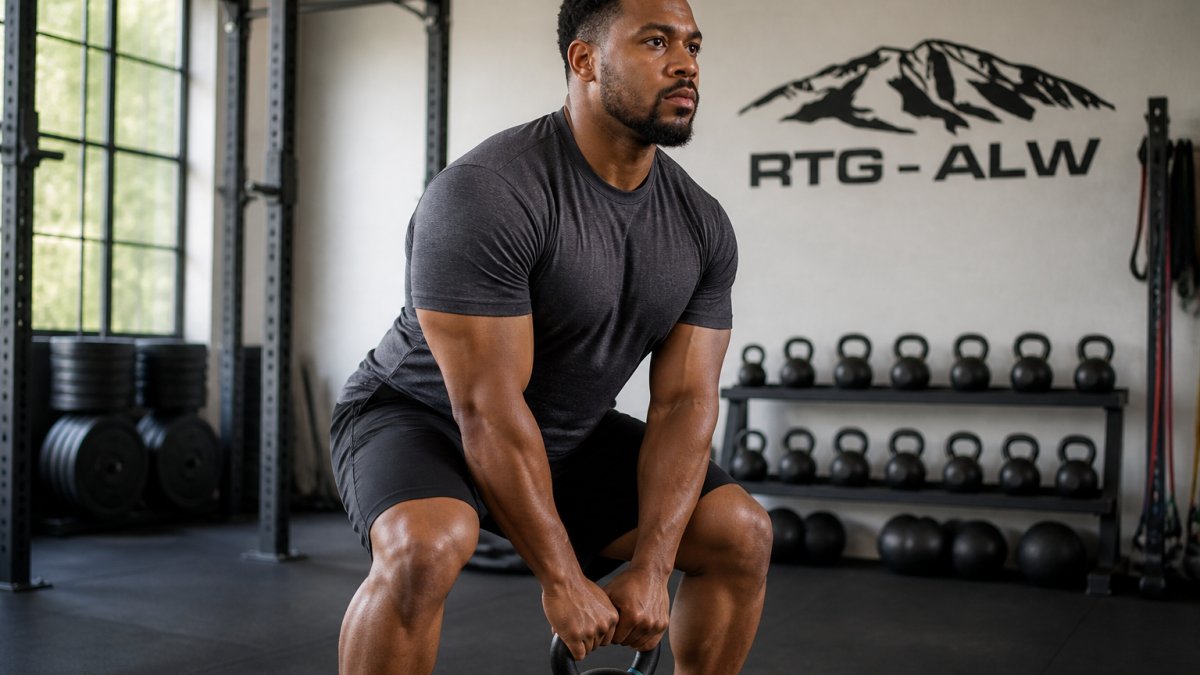
Men's athletic-fit T-shirts are cut to follow the shoulders and chest without ballooning at the waist. The problem is that most "athletic fit" labels assume a narrow frame with big arms. If you're big and tall, a muscle cut can fit the shoulders and still leave a tent around the middle. Fit guidance beyond muscle cuts means checking body length and waist taper together. A shirt should cover your belt and stay tucked through movement, not just look fitted standing still.
Long-Lasting T-Shirt Brands and What to Check Before Buying
Long-lasting t-shirt brands earn the label through materials and construction, not marketing. Before you buy, run the same checks a careful shopper would. A practical durability checklist:
- Fabric weight listed, not hidden behind vague "premium" language
- Double-needle or reinforced seams at hem and shoulders
- Collar with structure that springs back when folded
- Side seams that sit straight, not twisted
- Stretch recovery so the shirt doesn't sag after wear
- Body length that covers the belt through movement
- Clear care instructions and a return policy you can read
A Practical Durability Checklist
Beyond the list, think about cost per wear. A shirt that costs more but survives years of washing beats a cheap tee you replace twice a year. Our Classic Long Tee is cut and sewn in the USA from a Lyocell, cotton, and spandex blend, built for big and tall frames with belt-covering length. It's the kind of shirt you buy once and stop thinking about. As customer Thomas D put it, it's "BY FAR THE BEST SHIRT I'VE EVER OWNED."
Care Instructions That Extend Shirt Life
Care instructions extend shirt life more than most people realize. Wash cold, inside out, and skip the dryer when you can. Heat is the enemy of stretch fabric and color. Air-drying preserves the Lyocell and spandex blend longer than a hot tumble. Turn shirts inside out to protect the outer surface from friction, and avoid fabric softener, which coats performance fibers and reduces breathability. Wash with similar colors and skip the bleach. These small habits add years to a good tee.
Conclusion
Finding a tee that survives training, daily wear, and the wash cycle shouldn't be a gamble. The fix is knowing what to check: fabric weight, seam construction, and a fit that stays put. RTG-ALW builds the Classic Long Tee for big and tall men who are tired of replacing shirts, with belt-covering length, a structured chest, and a breathable Lyocell blend cut and sewn in the USA. Shop the Classic Long Tee and get a shirt built to move with you.
Frequently Asked Questions
What is the most durable T-shirt material?
There is no single winner, but the most durable T-shirt material depends on use. Ringspun cotton holds up well for everyday wear and gets softer with washes, while polyester and cotton-polyester blends resist shrinking and dry faster during training. Tri-blend fabrics combine softness with stretch. The bigger durability signals are fabric weight and construction: heavier knits, double-stitched seams, and reinforced collars outlast lighter tees regardless of fiber.
Are cotton or polyester T-shirts more durable?
Polyester wins on abrasion resistance and color retention, and it dries faster after sweat. Cotton feels softer and breathes well but can shrink and wear thin at high-friction spots over time. For active men, a blend often gives the best of both: cotton comfort with polyester strength. Check the label, look for a mid-to-heavy fabric weight, and inspect the seams, since construction matters as much as fiber content.
How should you wash workout T-shirts to make them last longer?
Wash in cold water on a normal cycle and skip fabric softener, which coats performance fibers and traps odor. Turn shirts inside out to protect the outside surface, and air-dry when you can; high dryer heat breaks down spandex and weakens seams. Wash gym shirts after every wear, and avoid overloading the machine so friction does not thin the fabric. These habits add months to a tee's life.
How can you tell if a T-shirt is well made?
Inspect three things before buying. First, seams: double-stitched or taped shoulder seams resist tearing. Second, the collar: a ribbed crew neck with reinforced binding keeps its shape instead of stretching out. Third, fabric: hold it up to light and check for thin spots, then stretch it lightly to see if it recovers. A well-made tee also has even stitching, no loose threads, and a hem that lies flat.